The 2026 Beauty and Personal Care eCommerce Guide for Shopify Stores

The global Beauty and Personal Care market is projected to generate US$698.38 billion in revenue in 2026, with the Personal Care segment contributing US$302.98 billion. The United States leads with US$107 billion, and online sales are expected to account for 30.6% of total revenue, highlighting the growing power of digital channels.
In this guide, we break down the key strategies, trends, and common pitfalls to avoid for running a successful Beauty & Personal Care eCommerce store in 2026. This is designed for Shopify store owners who want to improve performance, stay competitive, and scale efficiently in a fast-growing market.
Why This Niche Is Strong for eCommerce
Even during economic challenges, people continue to invest in health, self-confidence, and daily routines. Beauty & Personal Care products are no longer just about appearance—they are closely tied to wellness, making them highly in demand online.
This makes the niche especially powerful for Shopify and Shopify Plus stores because:
- High repeat purchases – Customers regularly restock skincare, haircare, and self-care products
- Strong emotional connection – Trust and brand loyalty play a major role in buying decisions
- Wellness-driven demand – Products support healthier skin, stronger hair, and better self-care routines
- Wide audience reach – Appeals to different age groups, lifestyles, and needs
Whether selling skincare, haircare, supplements, or self-care kits, this niche offers strong growth opportunities for stores that focus on quality, transparency, and engaging digital experiences.
The Story of The Ordinary
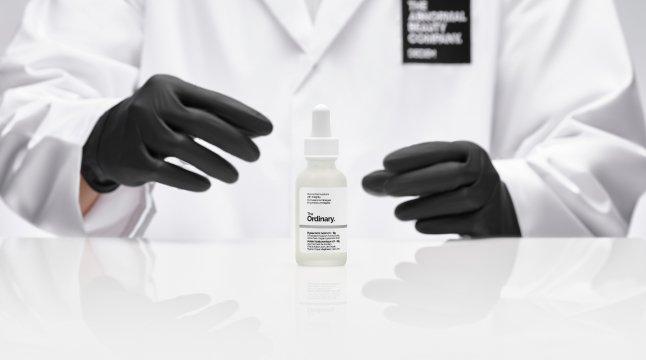
The Ordinary began as a bold disruptor in the skincare industry, part of Toronto-based Deciem, founded in 2013 by Brandon Truaxe. From the start, the brand focused on transparency, simplicity, and delivering real results without the high prices typical of the beauty market. By clearly labeling ingredients and their concentrations, and removing unnecessary marketing costs, The Ordinary offered clinical-quality formulations at an accessible price, quickly gaining a loyal following. Its innovative approach caught the attention of The Estée Lauder Companies, which first invested in 2017 and became majority owner in 2021, before completing a full acquisition in 2024 with a total investment of around $1.7 billion. Today, The Ordinary ranks among the top skincare brands in Canada and the U.S., with strong performance in Europe and Asia, generating over $500 million in annual net sales.
Why The Ordinary Was Able to Succeed:
- Transparent, ingredient-focused approach: Customers clearly understand what they’re buying, which builds trust and confidence.
- Exceptional value: By removing expensive branding and packaging, the brand delivers high-quality products at affordable prices.
- Minimalist, educational branding: Its clinical, no-frills aesthetic makes products easy to understand and choose, appealing especially to Millennials and Gen Z.
- Strategic global expansion: Support from Estée Lauder enabled entry into new markets and wider customer reach.
- Strong community engagement: Online forums and social media amplified word-of-mouth growth, turning cult favorites into bestselling staples.
By combining transparency, value, education, and strategic expansion, The Ordinary has transformed the skincare landscape and shown how a product-focused, customer-centric approach can create a globally recognized and highly profitable brand.
Global Beauty and Personal Care Market in 2026
The beauty industry continues to grow, and online is driving the change.
Key Global Beauty Stats:
| Metric | 2026 Data |
|---|---|
| Global Beauty and Personal Care revenue | US$698.38 billion |
| Personal Care segment | US$302.98 billion |
| United States revenue | US$107 billion |
| Revenue per person | US$88.36 |
| Online sales % | 30.6% of total revenue |
These statistics show why Beauty and Personal Care eCommerce is a high-growth opportunity, especially for Shopify and Shopify Plus stores that can leverage optimized product pages, seamless checkout, and engaging online experiences.
Source: Statista
Top 5 eCommerce Trends Shaping Beauty in 2026
In 2026, successful Shopify and Shopify Plus beauty stores are not just following trends—they are actively building them into how customers shop, discover, and purchase products. The most effective stores are those that turn these trends into real on-site experiences that improve conversion, trust, and repeat sales.
Personalized Shopping Experiences
Instead of showing every customer the same product catalog, leading Shopify beauty stores are now using guided shopping flows that feel like a personal consultation. For example, a skincare store can add a short quiz at the start of the shopping journey asking questions like "What’s your skin type?" or "What skin concerns do you have?" Once completed, the store automatically builds a recommended routine such as cleanser, serum, and moisturizer tailored to that customer. This removes guesswork, speeds up decision-making, and significantly increases conversion rates because customers feel the store understands their needs.
Sustainability and Ethical Practices
Rather than listing sustainability as general marketing language, high-performing beauty brands are embedding trust signals directly into the Shopify product experience. For example, product pages now clearly show certifications like "cruelty-free," "vegan," or "100% recyclable packaging" right next to pricing and product benefits. Some stores also highlight ingredient sourcing transparency in expandable product sections. This helps customers quickly validate whether a product aligns with their personal values before they purchase, which is becoming a key decision factor in beauty buying behavior.
Social Commerce and Influencer-Led Sales
Beauty brands are increasingly building their Shopify stores around influencer-driven traffic rather than traditional ads. A common setup is when influencers post "Get Ready With Me" or skincare routine videos on TikTok or Instagram, then directly link each featured product to a Shopify store landing page. These pages are often designed to match the influencer’s content, showing the exact products used in the video. This creates a seamless path from inspiration to purchase, where customers can buy immediately while their interest is at its peak.
AR Virtual Try-Ons
To reduce uncertainty in online beauty shopping, Shopify stores are integrating augmented reality tools that allow customers to try products virtually before buying. For example, a makeup store can let users test lipstick shades or foundation tones using their phone camera directly on the product page. Instead of imagining how a product might look, customers can instantly see real-time results on their own face. This not only increases confidence in purchase decisions but also reduces returns caused by mismatched expectations.
Omnichannel Loyalty Systems
Modern beauty brands are no longer treating online and offline as separate experiences. Instead, Shopify stores are building unified loyalty systems where customers earn points from every purchase—whether online, in mobile apps, or in physical stores—and redeem them anywhere in the ecosystem. For example, a customer might buy skincare products on a Shopify store, earn points, and later redeem those points in-store or through a mobile app for discounts or exclusive products. This connected experience encourages repeat purchases and builds long-term brand loyalty across multiple touchpoints.
Check out: Best Korean Skin-Care Products for Glass Skin
Repeat Purchases and Brand Loyalty
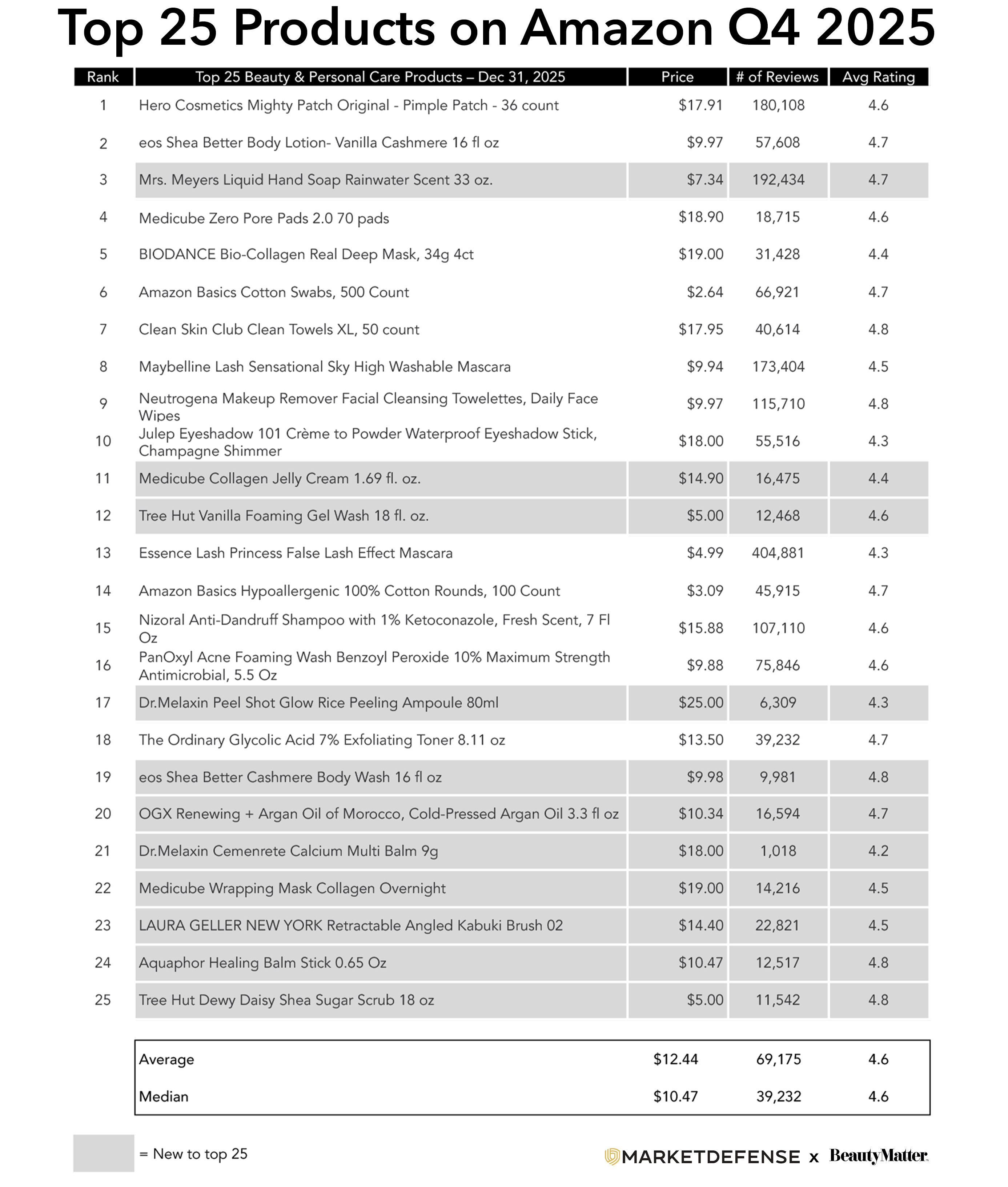
Beauty & Personal Care products are not one-time purchases—they are part of daily routines. This makes them one of the strongest niches for building repeat customers and long-term brand loyalty.
Customers regularly restock products like skincare, haircare, and wellness items, creating consistent demand. At the same time, emotional connection plays a big role. When customers see real results, they are more likely to trust the brand and continue buying.
This is especially powerful for Shopify and Shopify Plus stores because:
- Customers make frequent repeat purchases of everyday-use products
- Strong emotional connection builds trust and long-term loyalty
- Subscription models become easier to implement and scale
Because of this behavior, beauty products naturally fit into bundles, routines, and subscription offers—helping stores increase customer lifetime value and predictable revenue.
Source:beautymatter.com
Beauty Market Product Breakdown
The Beauty & Personal Care market covers a wide range of product types, each offering different benefits to customers:
Healthy Skin
Reduces dryness, aging signs, and irritation, helping customers maintain clear and hydrated skin.
Strong Hair
Prevents breakage and improves shine, supporting healthier and more manageable hair.
Wellness Products
Supports overall health and immunity, often overlapping with supplements and self-care products.
Self-Care Routines
Promotes relaxation, confidence, and mental well-being through daily routines and habits.
These categories show why beauty products go beyond simple purchases—they become part of a customer’s lifestyle. This drives repeat sales, stronger engagement, and long-term loyalty for Shopify and Shopify Plus stores.
Pros and Cons for Beauty eCommerce Stores
- Pros
- High repeat purchases
- Emotional customer connection
- Wide audience range
- Content opportunities for blogs and videos
- Cons
- Very competitive market
- Requires ingredient transparency
- Must handle many SKUs
- Must maintain quality info and trust
How Shopify and Shopify Plus Stores Can Succeed in 2026
Success in Beauty and Personal Care comes from combining customer experience, data insights, competitor awareness, and smart pricing strategies:
1. Focus on Clear Product Info
Highlight benefits, ingredients, and usage instructions.
Include high-quality images and videos.
How It Works:
A Shopify skincare store selling moisturizers clearly highlights "Best for dry and sensitive skin," lists key ingredients like hyaluronic acid and ceramides, and includes a short video showing how to apply the product as part of a daily routine.
Practical Tip:
Use bullet points for benefits and a short demo video to increase engagement and conversions.
2. Build Trust Through Reviews and Social Proof
Display real user testimonials, before/after photos, and influencer reviews.
How It Works:
A Shopify beauty store selling acne treatments features verified customer reviews with before-and-after photos, along with short influencer clips showing real results after consistent product use.
Practical Tip:
Highlight the most compelling review at the top of the page to catch customer attention.
3. Leverage Content Marketing
Create blogs, guides, tutorials, and videos to educate customers.
Focus on self-care routines and wellness tips.
How It Works:
A Shopify beauty store publishes a blog titled "Simple 5-Step Skincare Routine for Oily Skin" and links each step (cleanser, toner, serum, moisturizer) directly to its product pages, making it easy for customers to shop the full routine.
Practical Tip:
Include internal links to product pages and related blog posts to improve SEO and increase conversions.
4. Use Bundles and Subscription Options
Routine kits or self-care bundles increase average order value.
Subscriptions provide recurring revenue.
How It Works:
A Shopify store offers a "Complete Acne Care Set" bundle that includes cleanser, treatment serum, and moisturizer at a discounted price, while also offering a monthly subscription that automatically delivers refills.
Practical Tip:
Offer a small discount for subscribers to encourage recurring purchases.
5. Personalize the Shopping Experience
Recommend products based on skin type, hair concerns, or wellness goals.
Personalized emails and offers increase conversions.
How It Works:
After a customer purchases a shampoo for dry hair, a Shopify store sends a follow-up email recommending a matching conditioner, hair mask, and oil, tailored to hydration and repair needs.
Practical Tip:
Segment your email list by product type or skin/hair concern for more targeted offers.
6. Monitor Competitors and Gain Insights
Track competitors’ pricing, promotions, and product availability automatically.
Saves hours of manual work, improves pricing accuracy and speed, and helps stores react faster to market changes.
Supports scalable growth as product catalogs expand.
How It Works:
A Shopify Plus beauty store tracking multiple skincare competitors automatically monitors price changes, stock availability, and flash sales across key products. Instead of manually checking each website daily, the store receives real-time updates when competitors lower prices or run promotions.
Practical Tip:
Set alerts for major competitor price changes so your team can respond immediately.
7. Dynamic Pricing Strategies
Use predefined pricing rules based on market conditions.
Automatically adjust prices to stay competitive while protecting margins.
How It Works:
A Shopify Plus store selling premium skincare products sets dynamic pricing rules such as:
- "Match competitor price if within 5% range"
- "Stay 3% lower than top competitors for high-demand products"
- "Maintain minimum profit margin at all times"
Prices automatically adjust based on these rules, allowing the store to stay competitive during promotions while protecting profitability.
Practical Tip:
Test pricing rules on a small product subset first before applying storewide to avoid unintended margin losses.
Summary
Beauty & Personal Care eCommerce in 2026 is a high-growth, lifestyle-driven niche.
For Shopify and Shopify Plus stores, success comes from combining:
- Clear product information with images, videos, and benefits
- Reviews and social proof to build trust
- Content marketing to educate and engage
- Bundles and subscriptions for repeat revenue
- Personalized shopping experiences based on customer needs
- Competitor monitoring to stay ahead without spending hours manually
- Dynamic pricing strategies to stay competitive
By focusing on health benefits, self-care routines, and customer engagement, stores can capture the growing online Beauty and Personal Care market, increase loyalty, and achieve scalable growth—even during economic challenges.

How will your Shopify store use these strategies in 2026? We’d love to hear your questions, strategies, or insights—share how you plan to grow your store this year and let’s make 2026 your most successful year yet! Connect with us via our Website, Shopify, BigCommerce, Facebook, Twitter, and LinkedIn.